

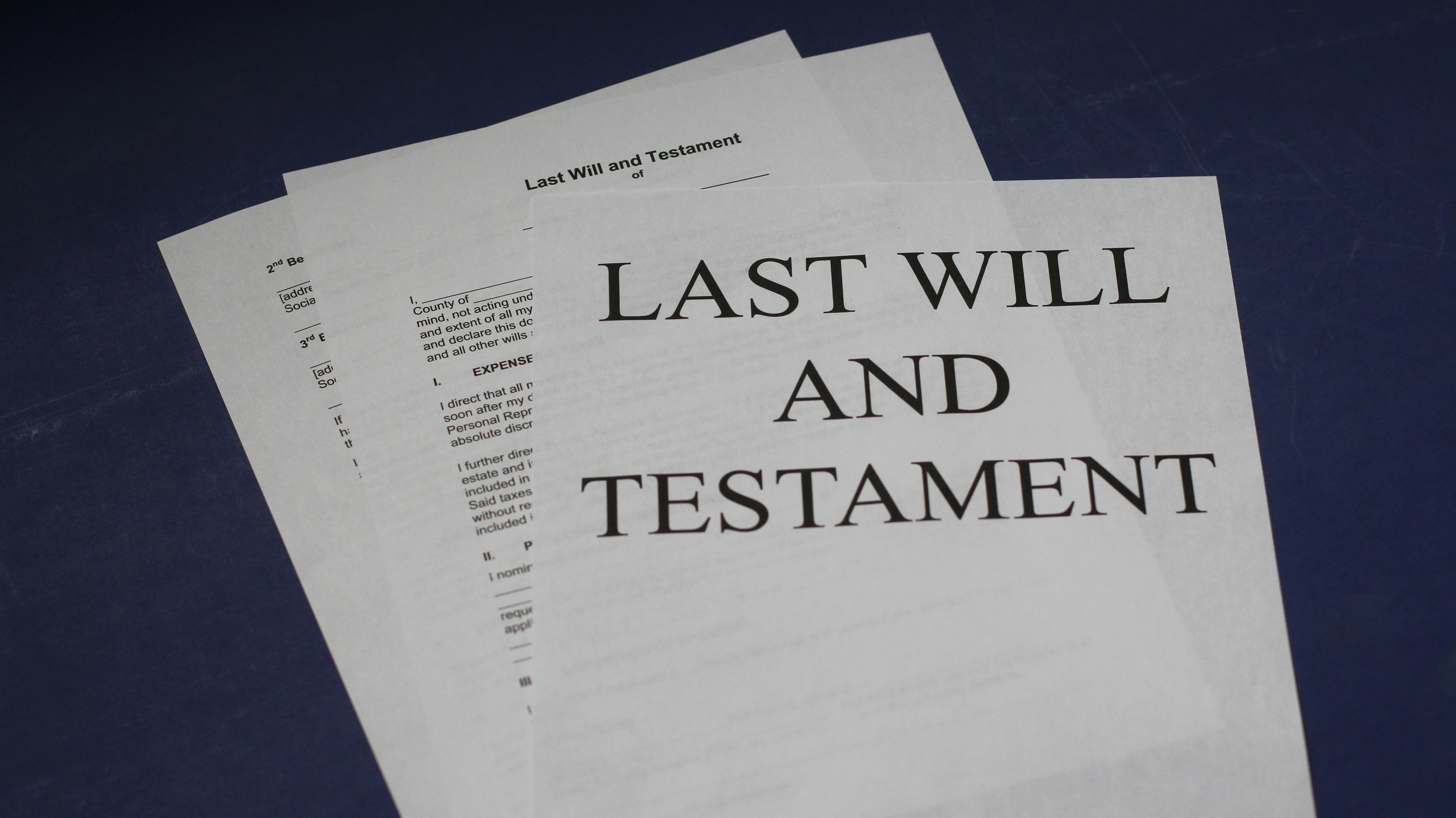
Introduction to Property Ownership Documents
Property ownership documents play a crucial role in establishing legal ownership of real estate. These documents serve as proof of ownership and are essential in various transactions, including buying, selling, or refinancing property. The primary type of document associated with property ownership is a deed. A deed is a legal instrument that conveys interest in real estate from one party to another.
There are different types of deeds, such as warranty deeds, quitclaim deeds, and special purpose deeds, each offering varying levels of protection for the parties involved. Additionally, property titles are another vital aspect of ownership documentation. A title indicates the rightful owner of a property and may also reflect any encumbrances, such as liens or mortgages, that could affect ownership rights. It is critical to ensure that the title is free of issues and accurately reflects ownership to maintain legal clarity.
Aside from deeds and titles, other relevant paperwork is also necessary for comprehensive property ownership documentation. This may include property surveys, tax records, zoning permits, and other reports that can support or clarify ownership claims. Having these documents prepared and readily available is essential in any real estate transaction, as they can expedite the process and prevent potential disputes.
Furthermore, ensuring that all property ownership documents are in order is vital for protecting one’s investment in real estate. Without proper documentation, property claims can become contested, leading to legal complications. Hence, a thorough review of all documents related to property ownership is one of the preliminary steps a prospective buyer or seller should take.
Types of Property Ownership Documents
Understanding the various types of property ownership documents is crucial for any prospective or current property owner. Each document plays a significant role in establishing rights, responsibilities, and boundaries associated with a property. The most fundamental document in property ownership is the title deed, which acts as legal proof of ownership. This document outlines the details of the property, such as its location, dimensions, and the name of the owner. A clear title deed is essential to ensure that the owner has the right to sell or transfer the property, as well as to provide protection against potential claims from others.
Another important document is the property survey. A survey provides a detailed map of the property, highlighting its boundaries, structures, and any encroachments. This document is particularly useful for resolving disputes regarding property lines and for understanding any easements that may exist. Easements are legal rights that allow others to use a portion of the property for specific purposes, such as utilities or access roads. Awareness of any easements is critical, as they can affect the value and enjoyment of the property.
Mortgage documents also play a vital role in property ownership, especially if the property is financed through a loan. These documents outline the terms of the loan, including interest rates, repayment schedules, and penalties for default. Understanding these conditions is essential for protecting one’s investment and ensuring that prior obligations to lenders are met. Lastly, property restrictions may also be in place, including zoning laws and homeowners association rules, which dictate how the property can be used or modified. Keeping all these documents organized and readily accessible will facilitate smoother transactions and provide clarity regarding ownership rights and obligations.
Understanding Title Deeds
Title deeds are fundamental legal documents that signify ownership of real estate properties. A title deed serves as proof of ownership, outlining the rights and responsibilities of the property owner. One of the key components of a title deed is the legal description, which offers a detailed account of the property’s boundaries and specific location. This description must be precise, as it helps to avoid ambiguities regarding property lines, which can lead to disputes.
In addition to the legal description, a title deed typically includes the signatures of all parties involved in the transaction, including the grantor (the seller) and the grantee (the buyer). These signatures validate the transfer of ownership and signify that the seller has the right to convey the property. It is crucial that the deed is signed in the presence of a notary public, as notarization adds an additional layer of verification and authenticity.
Recording the title deed is another essential aspect of property ownership. When a deed is recorded at the county clerk’s office, it becomes part of the public record, giving notice to the world of the ownership transfer. This recording protects the grantee’s rights against claims from third parties and establishes the hierarchy of ownership in cases of disputes or foreclosure. It is advisable that property owners regularly check their recorded deed for accuracy, as mistakes can result in significant legal complications.
When reviewing a title deed, it is important to be vigilant for common issues, such as liens or unresolved claims against the property. These encumbrances can affect ownership rights and might need to be resolved before a complete title transfer can take place. Understanding the key elements and potential pitfalls of title deeds is vital for establishing secure and legitimate property ownership.
Importance of Having a Clear Title
Having a clear title is fundamental for any property owner, as it establishes legal ownership and the rights associated with the property. A clear title means that the property is free from encumbrances, such as liens or disputes that could hinder the owner’s ability to enjoy and utilize their real estate. Encumbrances can manifest as financial claims on the property, including mortgages, judgments, or tax liabilities, which may not only complicate the transaction process but could also expose the owner to potential financial liabilities.
Moreover, disputes over title can arise from various sources, including previous owners, neighbors, or local governments. Such disputes may manifest as lawsuits or claims against the property, causing delays and financial burdens. A clear title simplifies transactions, making it easier to sell or transfer property, while also protecting the owner’s investment. Without a clear title, owners may face difficulties in obtaining financing or selling their property, resulting in potential losses and protracted disputes.
To ensure legal clarity regarding property ownership, conducting a title search is an essential step in the ownership process. A title search involves examining public records to confirm the validity of the title, checking for any claims against the property, and verifying the chain of ownership. This thorough investigation helps in identifying any potential issues that could affect the ownership rights. In some cases, property owners may consider purchasing title insurance. This type of insurance can provide protection against losses resulting from disputes or defects not discovered during the title search.
In summary, understanding the significance of having a clear title cannot be overstated. It safeguards property investments and enhances the owner’s ability to make informed decisions regarding their property. Thus, ensuring a clear title should be a priority for any prospective or current property owner.
Checklist for Property Ownership Documents
When purchasing or owning property, it is crucial to maintain a well-organized collection of documents related to property ownership. This checklist outlines essential documents that every property owner should have in their possession. By ensuring that these documents are readily available, owners can avoid potential legal issues and streamline property transactions.
1. Title Deed: The most important document, the title deed serves as legal proof of ownership. It contains details such as the property’s description, the previous owner’s information, and how the ownership is transferred. Keeping this document secure is essential for future references.
2. Tax Records: Property tax records indicate the amount of tax owed and confirmation of payments made. These documents are necessary for both personal financial records and for estate planning.
3. Homeowners Insurance Policy: This policy protects the property against damages and liabilities. A current insurance document can provide peace of mind and is often required by lenders during the mortgage process.
4. Homeowners Association (HOA) Documents: If the property is part of an HOA, it is vital to keep a copy of the association’s rules, regulations, and financial statements. These documents outline the rights and responsibilities of both the homeowner and the association.
5. Closing Statement: Also known as the HUD-1 settlement statement, this document itemizes all the financial aspects of the property purchase, including fees, closing costs, and final adjustments. It serves as a record of the transaction details.
6. Property Surveys: It is advisable to obtain a survey of the property that outlines its boundaries and any easements. This document helps avoid disputes over property lines in the future.
7. Maintenance Records: Although not a traditional ownership document, maintaining a log of repairs and improvements can be beneficial for future resale value and negotiations.
By collecting and maintaining these property ownership documents, individuals will be well-prepared for any future legal processes or financial actions related to their property.
Where to Find Missing Documents
Locating missing property ownership documents can be an essential aspect of ensuring the security and legitimacy of your real estate investments. Several avenues can be explored for retrieving these vital documents. First, local government offices often maintain records related to property ownership. These include the county clerk’s office, assessor’s office, and recorder’s office. By contacting these entities directly, you can request copies of property deeds, tax records, and other relevant documents. It is advisable to have specific information on hand, such as property addresses or parcel numbers, to facilitate a smoother search.
In addition to government offices, title companies can also be a valuable resource. These organizations specialize in property transactions and typically have access to comprehensive records of title transfers, liens, and ownership histories. If you suspect that certain documents are missing due to previous transactions, a title company may be able to provide the necessary information and possibly assist in retrieving lost documentation.
Furthermore, real estate professionals, such as agents and brokers, can offer guidance in your search for missing documents. These individuals often have extensive networks and may be able to recommend resources or provide insights based on their own experiences. In some cases, they may hold copies of documents related to past transactions involving the property in question.
For those who are comfortable with technology, performing digital searches is another option. Many local governments have established online databases where property records can be accessed digitally. Searching these databases can be efficient and yields quick results. However, it is crucial to verify the information through official channels to ensure its accuracy.
In addressing missing property ownership documents, conducting thorough due diligence is paramount. Taking the time to systematically explore these resources can significantly improve your chances of locating the necessary documentation and safeguarding your property ownership rights.
Legal Assistance and Document Verification
When navigating the complexities of property ownership, the role of legal professionals becomes indispensable, particularly in verifying property ownership documents. Various legal intricacies can emerge during ownership transfers or disputes, making it crucial to consult an attorney specializing in real estate law. These experts possess the knowledge required to ensure that all documentation is accurate and compliant with local regulations.
Engaging an attorney may be necessary in several situations. For instance, if there are discrepancies in the property deed, such as misspellings or missing signatures, legal intervention is essential to rectify these issues. Additionally, prospective buyers should seek legal assistance before finalizing a transaction to examine all pertinent documents, including title reports and survey maps, for potential complications. This proactive approach helps avoid future ownership disputes, safeguarding one’s investment in the property.
Moreover, in the event of an ownership dispute, a qualified attorney can provide invaluable support. They can assist in assessing the validity of competing claims and guide you through the legal processes required to resolve these disputes. In cases where litigation becomes necessary, having an experienced attorney on your side can significantly bolster your case and increase the likelihood of a favorable outcome.
When selecting a real estate attorney, consider their experience within the specific area of property law relevant to your situation. Seek referrals from trusted individuals or professional organizations, and always review attorney credentials and client testimonials. It is also prudent to discuss fees upfront to ensure that you receive quality legal assistance at a fair price. By taking these practical steps, property owners can ensure that their ownership documents are verified and valid, thereby mitigating potential legal issues in the future.
Digitalization of Property Documents
The digitalization of property ownership documents has emerged as a transformative trend within the real estate sector. As technology continues to evolve, many individuals and organizations are shifting from traditional paper-based documentation to electronic records. This transition offers significant benefits, including increased accessibility, enhanced security, and streamlined processes for both buyers and sellers. Digital property documents can be easily stored, retrieved, and shared, reducing the clutter and inefficiencies often associated with physical paperwork.
One of the essential advantages of digital property ownership documents is the ability to utilize electronic signatures and notarization. These technologies simplify the signing process, allowing parties to finalize transactions remotely without the need for in-person meetings. This is particularly beneficial in a world where virtual communication has become the norm. Electronic signatures are legally recognized in many jurisdictions, thus legitimizing digital transactions and contributing to an efficient real estate workflow.
However, the digitization of property records does not come without challenges. Concerns about cybersecurity and data integrity are paramount, as the risk of hacking or unauthorized access could compromise sensitive information regarding ownership. Furthermore, the transition from traditional systems to digital platforms may encounter resistance from individuals unaccustomed to using technology for such important documents. Ensuring that all stakeholders understand and trust the digital processes is essential for successful implementation.
Emerging technologies such as blockchain are also making significant strides in the field of real estate documentation. This decentralized and secure method of recording transactions promises to enhance the authenticity of property documents while creating a tamper-proof trail of ownership. As digital property ownership documents become more prevalent, it is crucial for property owners and real estate professionals to stay informed about these advancements and their implications for property management.
Conclusion and Best Practices
Ensuring that all property ownership documents and deeds are properly organized and readily available is crucial for any property owner. This not only safeguards your investment but also streamlines the process of transferring, selling, or inheriting property in the future. Throughout this discussion, we have emphasized the importance of having a comprehensive collection of property-related documentation, which includes titles, deeds, tax records, and any relevant contracts. Missing or misplaced documents can lead to complications or even legal disputes, making it essential for owners to maintain an accurate and complete file.
To effectively manage these vital documents, several best practices can be adopted. Firstly, consider creating a dedicated filing system specifically for property-related documents. This could be a physical filing cabinet or a digital storage solution, such as cloud-based services that provide additional security from loss or damage. Organizing documents chronologically or categorically can facilitate ease of access and reference. Furthermore, regular audits of your property documentation should be conducted to ensure everything remains current and intact.
Another key practice is to keep photocopies and electronic backups of all essential documents. This redundancy provides an added layer of protection against potential loss due to unforeseen circumstances. Additionally, engaging with a legal professional or a real estate consultant can provide valuable insights and recommendations for managing your property documents, offering peace of mind. By following these best practices, property owners can ensure that they are well-prepared to handle any property-related issues that arise, ultimately enhancing the security of their ownership and investment.
Do I Have All Property Ownership Documents and Deeds Ready?
